
Intake
Problem briefCapture the domain, platform, cloud or Linux context, provider signals, recent changes, and production impact.
A practical workflow for Email Deliverability, MTA and Linux, Multi-Cloud, and DevOps assessments, implementation, incidents, validation, and handover.
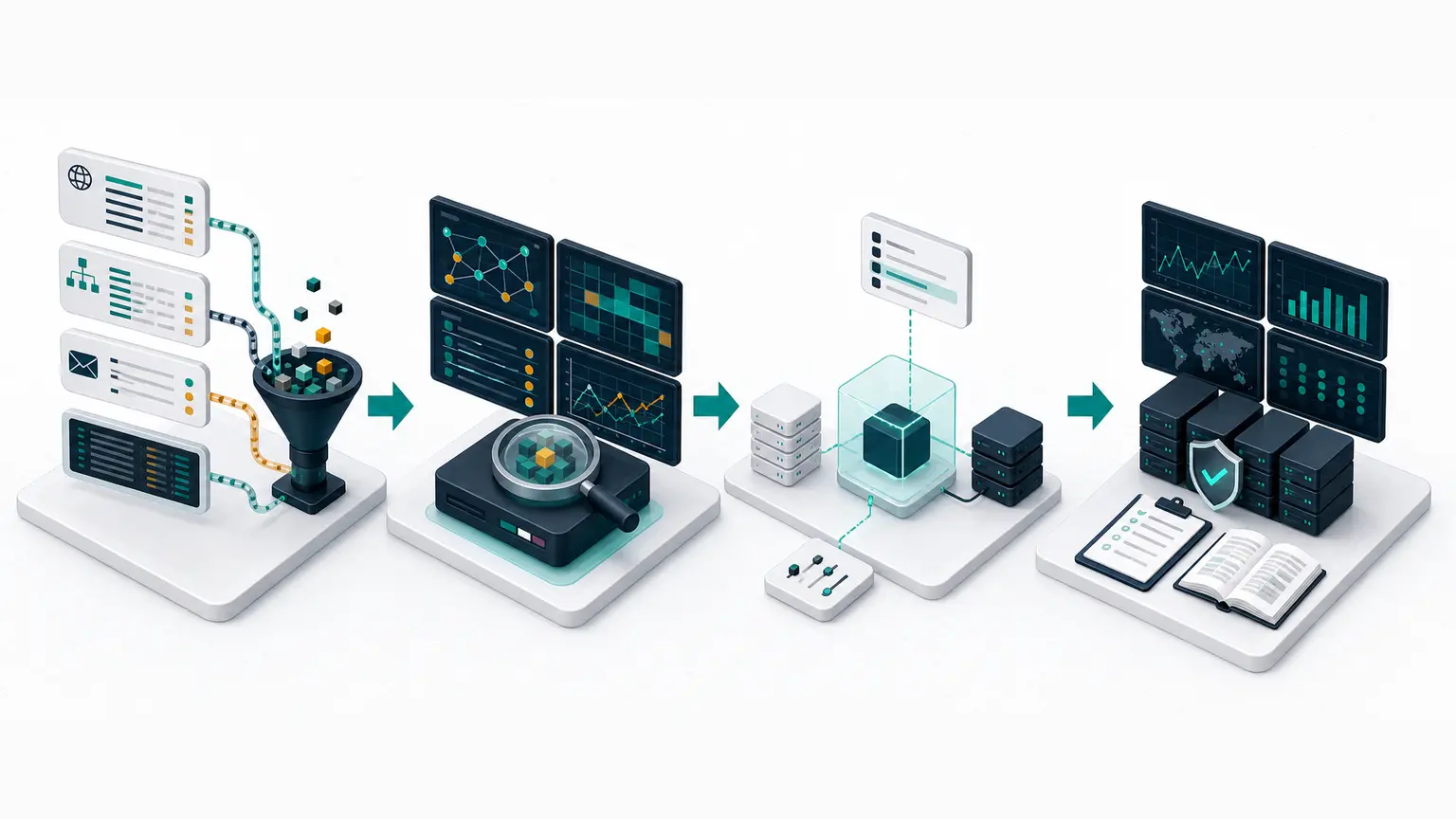
Capture the domain, platform, cloud or Linux context, provider signals, recent changes, and production impact.
Review headers, DNS, logs, bounces, Postmaster, SNDS, queue behavior, and recent incidents.
Separate urgent failures from background warnings so the team knows what matters first.
Connect the visible symptom to authentication, data, infrastructure, provider, or workflow issues.
Prioritize production-safe changes for DNS, sending behavior, Linux, MTA, monitoring, or compliance.
Confirm the fix using real signals instead of assuming the problem is gone.
Set up the thresholds, dashboards, logs, and repeat checks needed to catch the next issue earlier.
Leave the team with documented ownership, next actions, and reusable operating guidance.
Domain, platform, cloud or Linux context, recent change, and the visible failure.
DNS, headers, logs, provider signals, queues, dashboards, and recent incidents.
Clear ownership, risk order, remediation notes, and a practical runbook for the team.
The evidence changes by service. The discipline does not. Every engagement defines the affected system, proves the cause or requirement, controls the change, checks the live result, and leaves clear ownership.
Capture the affected users, traffic, host, cloud environment, pipeline, service, business impact, urgency, and recent change.
Map the message path, system architecture, cloud topology, deployment flow, dependencies, ownership, and available evidence.
Compare the relevant headers, DNS, logs, metrics, provider data, configuration, infrastructure code, deployment history, and operating behavior.
Separate cosmetic warnings from conditions that affect users, delivery, security, stability, resilience, recovery, or operating cost.
Define the smallest useful sequence, dependencies, owners, validation, security controls, maintenance window, and rollback conditions.
Apply the agreed DNS, platform, MTA, Linux, cloud, pipeline, container, automation, monitoring, security, or documentation changes.
Check the affected route or environment, compare the result with the baseline, and confirm monitoring can see the expected behavior.
Record findings, decisions, configuration, open risks, thresholds, rollback, recovery, ownership, and the next review point.
Send the visible problem and whatever raw evidence is available. NitWings will identify the next useful step.
Schedule a Technical Review